
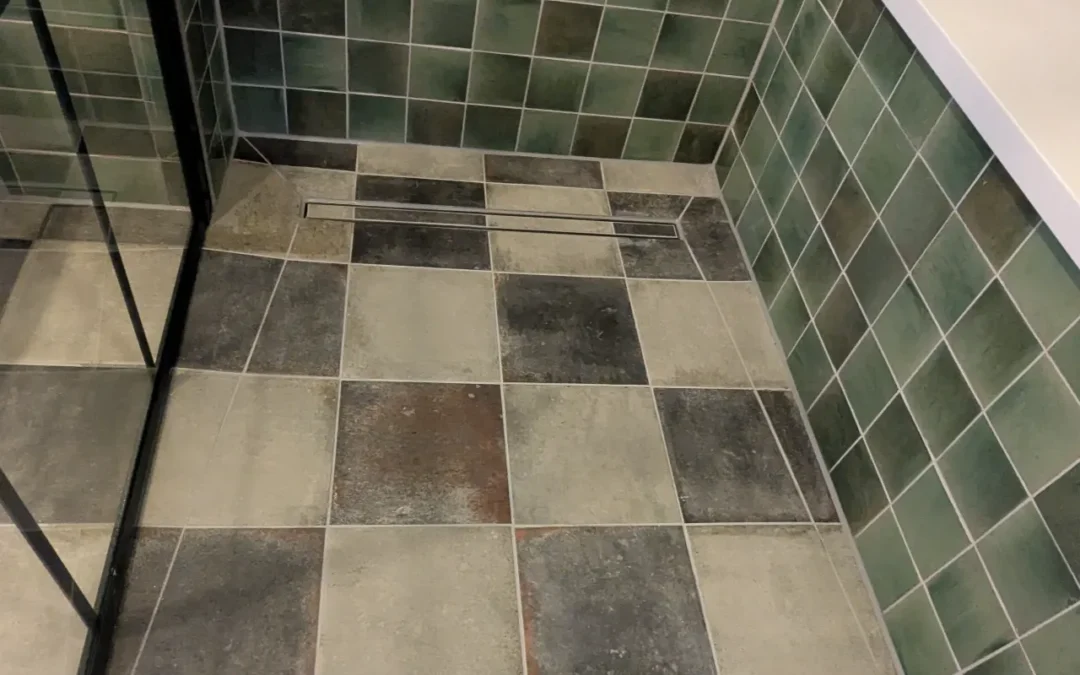
Choosing the right tiles is one of the biggest decisions during a bathroom renovation. Not only do they influence the look of the whole room, but they also affect how practical, safe and easy to maintain the space will be once it’s finished.
At Corvell, we always encourage homeowners to think beyond the colour and style of the tiles. The right choice should suit the room’s size, natural light, layout, and daily use. A bathroom tile that looks perfect in a showroom might not always be the best choice for a busy family bathroom, a compact en-suite, or a walk-in shower.
Tiling also needs to be considered as part of the wider renovation. It impacts the plumbing, lighting, ventilation, waterproofing and final fitting. When all of these details are planned together, the finished space is more aesthetically pleasing and easier to live with long-term. For anyone planning bathroom design and installation in Bristol, tile choice is a good place to slow down and make practical decisions before work begins.
Start With the Type of Bathroom You’re Renovating
Before choosing tiles, it helps to think about how the bathroom will be used. A main family bathroom usually needs highly durable, easy-clean tiles. Whereas an en-suite might need lighter finishes to help the space feel more open, and a wet room needs careful attention to drainage, waterproofing and slip resistance.
This first step helps narrow down your options. For example, a polished tile might look sleek on a wall, but it isn’t always the safest choice for a floor that gets wet regularly. A textured floor tile might be more practical underfoot, but if it’s too rough, it can be harder to clean. There is no one-size-fits-all tile for every bathroom.
The best choice is the one that suits the space, the people who use it, and the level of maintenance you’re looking for.
Choose Wall and Floor Tiles for Different Purposes
Wall tiles and floor tiles don’t do the same job, so they should be chosen differently. Wall tiles typically offer more room for creativity. You might add a feature wall in the shower with patterned tiles or large-format tiles across the main walls for a clean, modern finish. Since wall tiles don’t need to withstand foot traffic, you often have more flexibility with finish, shape and pattern.
Floor tiles often need to be more practical. They should be hard-wearing, suitable for bathroom use and safe when wet. Porcelain is a good option because it’s durable, low-maintenance and available in many different finishes. Natural stone can also work well, particularly for luxury bathroom renovations, but they often require more maintenance.
A good bathroom design often balances the two. The floor tiles provide the room with a practical foundation, while the wall tiles can add texture, warmth, or personality.
Think Carefully About Tile Size and Layout
Tile size has a big impact on how a bathroom feels. Large-format tiles can make a room feel more spacious because there are fewer grout lines. They often work well in modern bathrooms and wet rooms. However, they need to be planned properly, especially in areas with awkward corners, pipework, windows or niches.
Smaller tiles can add more visual detail. Mosaics, patterned tiles and smaller formats can work beautifully on feature walls, shower floors or sink splashbacks. They can also be useful where more grip is needed, as the extra grout lines can help with traction. The important thing to remember is proportion. Large tiles can look great in a small bathroom if the layout is planned carefully. Smaller tiles can add interest, but too much pattern can make the space feel busy.
Before installation starts, it’s worth thinking about where cuts will fall, how tile lines will meet and whether feature areas will line up with fittings. These details are easy to overlook, but they make a noticeable difference to the finished result.
Pick Colours that Work With the Room
Colour should be chosen with the bathroom’s size, lighting, and overall feel in mind. Light tiles can make a room feel brighter and more open, which is useful in smaller spaces or when there’s limited natural light. Darker tiles can create a more dramatic or high-end look, especially in larger bathrooms or shower areas. They can work particularly well with brushed brass or matt black fittings. However, darker finishes might show water marks, soap residue, or limescale more easily, so it is worth considering maintenance before committing.
Patterned tiles can also work well when used carefully. For instance, a patterned floor with simpler wall tiles can add character without overwhelming the room, or a feature wall in a shower can create interest while keeping the rest of the bathroom calm and balanced.
For homeowners designing a bespoke bathroom in Bristol, tile colour is often one of the main ways to give the space a more personal finish. The key is to choose something that you truly love without it becoming too trend-led.
Don’t Forget About Grout and Finishing Details
Grout can have a bigger effect on the final look of a bathroom than many people expect. A grout colour that closely matches the tile creates a softer, more seamless finish. Whereas a contrasting grout makes the tile shape stand out and can work well with metro tiles, square tiles or decorative patterns. Depending on the size of the tiles, you will see more or less grout too.
In any bathroom, grout also needs to be practical. Very light grout can look fresh at first, but it might need more cleaning in high-traffic areas. Darker grout can be more forgiving, although it needs to suit the tile and the overall design of the space.
Finishing details are also important. Tile trims, silicone, cuts around fittings, and the way tiles meet at corners all affect the final result. Good tiling isn’t only about laying the tiles straight, it’s about making the whole surface look clean, balanced and flawless.
Make Sure the Preparation is Done Properly
Good tiling starts before the tiles go on the wall. The surface underneath needs to be level and properly prepared for tiling. Any old adhesive, damaged plasterboard, loose surfaces or poor previous work might need to be dealt with before installation begins.
In wetroom installations, preparation is even more important. Tiles and grout aren’t enough to protect a bathroom from water damage. The right drainage and waterproofing systems need to be installed to ensure long-lasting durability. This is why it’s important to think about tiling as part of the full bathroom renovation, not as a separate finishing task.
Cutting corners at this stage might save time, but can result in cracked tiles, failed grout, leaks or movement later on. Proper preparation is one of the most important parts of the project.
Choosing Tiles for a Bespoke Bathroom in Bristol
The best bathroom tiles need to work with the size, layout, lighting, fixtures and fittings to create a finished space that you love. While a tile might look beautiful on its own, it also needs to work well alongside the vanity unit, shower screen, taps and wall colours.
At Corvell, we always look at tiling as part of the full renovation process. Whether you’re updating a tired bathroom, planning a completely new layout, or creating an en-suite from scratch, we can help you choose tiles that suit the room and how you want to use it.
If you’re planning a bathroom renovation in Bristol and would like advice on tile choice, our team can guide you through the options and help create a bathroom that feels well planned from start to finish. Get in touch with us today to discuss your ideas in more detail.